
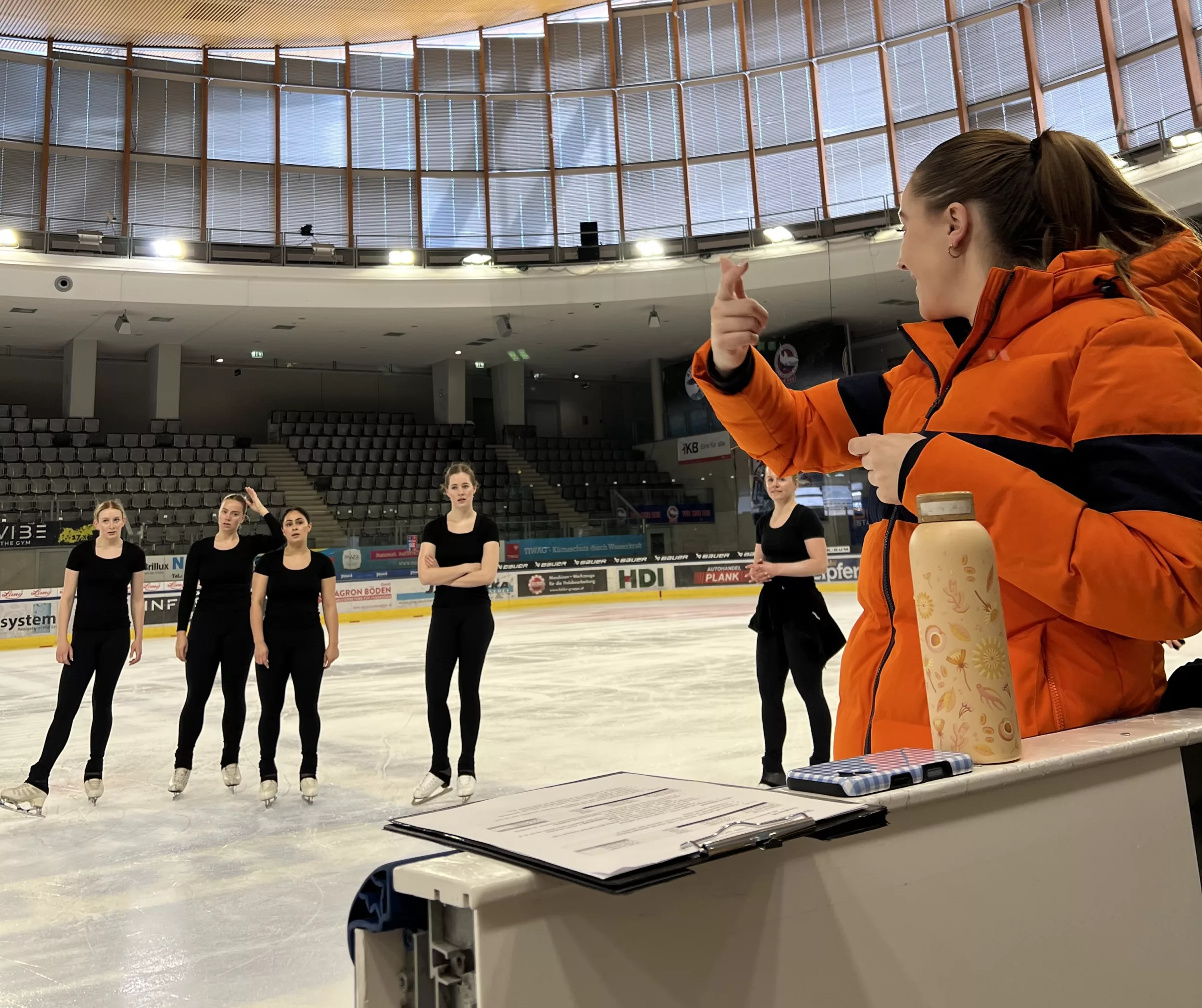
Feline van Kempen did not set out to become the face of a synchronized skating project in the Netherlands. She started, simply, as a skater in a club where doing both singles and synchro was normal.
"I developed in both disciplines from an early age," she says. Until about 15, singles came first. Then she made a decisive turn: she "fully dedicated" herself to synchronized skating.
In 2015, she joined the Dutch senior team Team Ice United. Two seasons later, in 2017–2018, she served as team captain. It was a leadership role on the ice... before leadership became her job off it.
From skater to coach, earlier than planned
Van Kempen's path into coaching began on the singles side. She started working on coaching qualifications "at a relatively young age," initially training to teach singles skating.
Synchronized skating coaching was not the plan. Then, in 2016, her club asked her to support a mixed-age synchro team. "After some hesitation I decided to take on the challenge," she recalls. What followed surprised her. "Until then, I had never really considered coaching synchro, but I soon discovered how much I enjoyed it and how rewarding it was to guide a team.
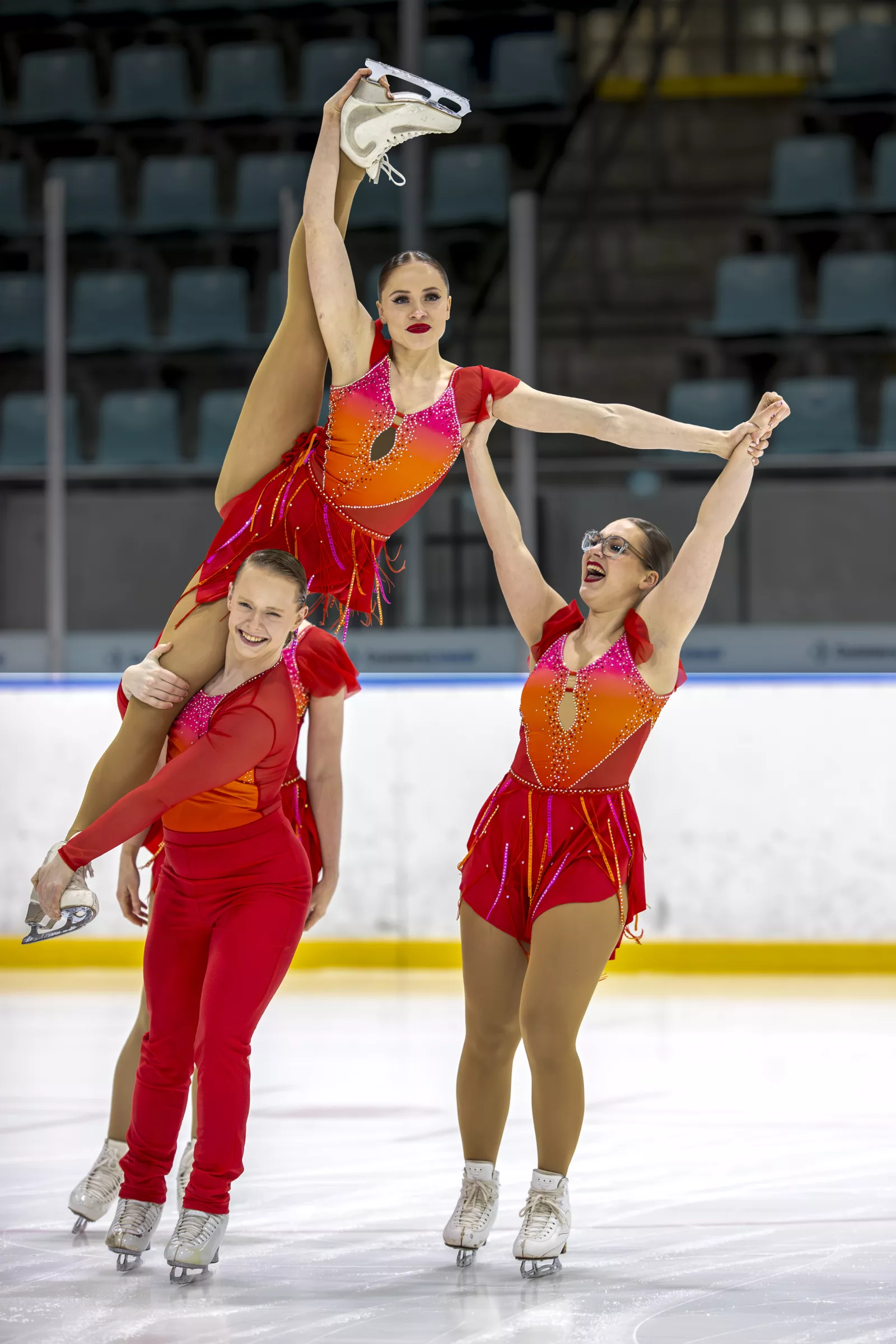
The defining pivot came in 2018. At 19, van Kempen "quite unexpectedly stepped into the coaching role for Team Ice United Senior." The team's former coach had to step down for personal reasons, and an attempt to bring in an international replacement "did not work out as planned."
As team captain with coaching qualifications, she became "the most logical option to take over." The timing was complicated. "Even though I was not yet ready to say goodbye to the sport as an athlete myself, I felt a strong sense of responsibility," she says. She accepted the role with reluctance, then committed fully.
Her doubts were not about ambition, she insists, but about the reality of the job: coaching a senior team at 19, in a discipline she had mostly lived as a skater, and doing it alongside people she had grown up with. The hardest part was personal. She was suddenly the strict one with friends and "both my sisters."
"Sometimes I still wonder how we managed to make it work back then," she says. What made it possible, in her telling, was trust. "From the very beginning there was genuine mutual respect on both sides; they were just as crazy as I was and truly believed in the ice united dream."
Building a community, not just a team
Today, van Kempen is head coach of the "United Synchro Community" within her club, with overall responsibility for "all our teams and their development." She says she has built "a fantastic coaching team" around her who "breathe Ice United."
The structure has expanded. "We currently have four teams in our repertoire," she says, allowing daily work with skaters across ages and levels.
Her role also stretches beyond the boards. She is responsible for much of the club's choreography, synchro and singles, works as a choreographer for "several national-level singles skaters," teaches ballet, and focuses "extensively on skating skills and step sequences." She describes these parallel tracks as fuel for her coaching: a way to bring "a broad, well-rounded perspective" to technical, artistic and team-dynamic development.
A season of resilience
Asked what stands out from the 2025–2026 season, van Kempen does not start with medals or rankings. She starts with resilience. "It was not an easy year," she says. Team Ice United said goodbye to eight skaters, some who had been in the group for "over 13 years." The change brought "a completely new dynamic", exciting, but challenging.
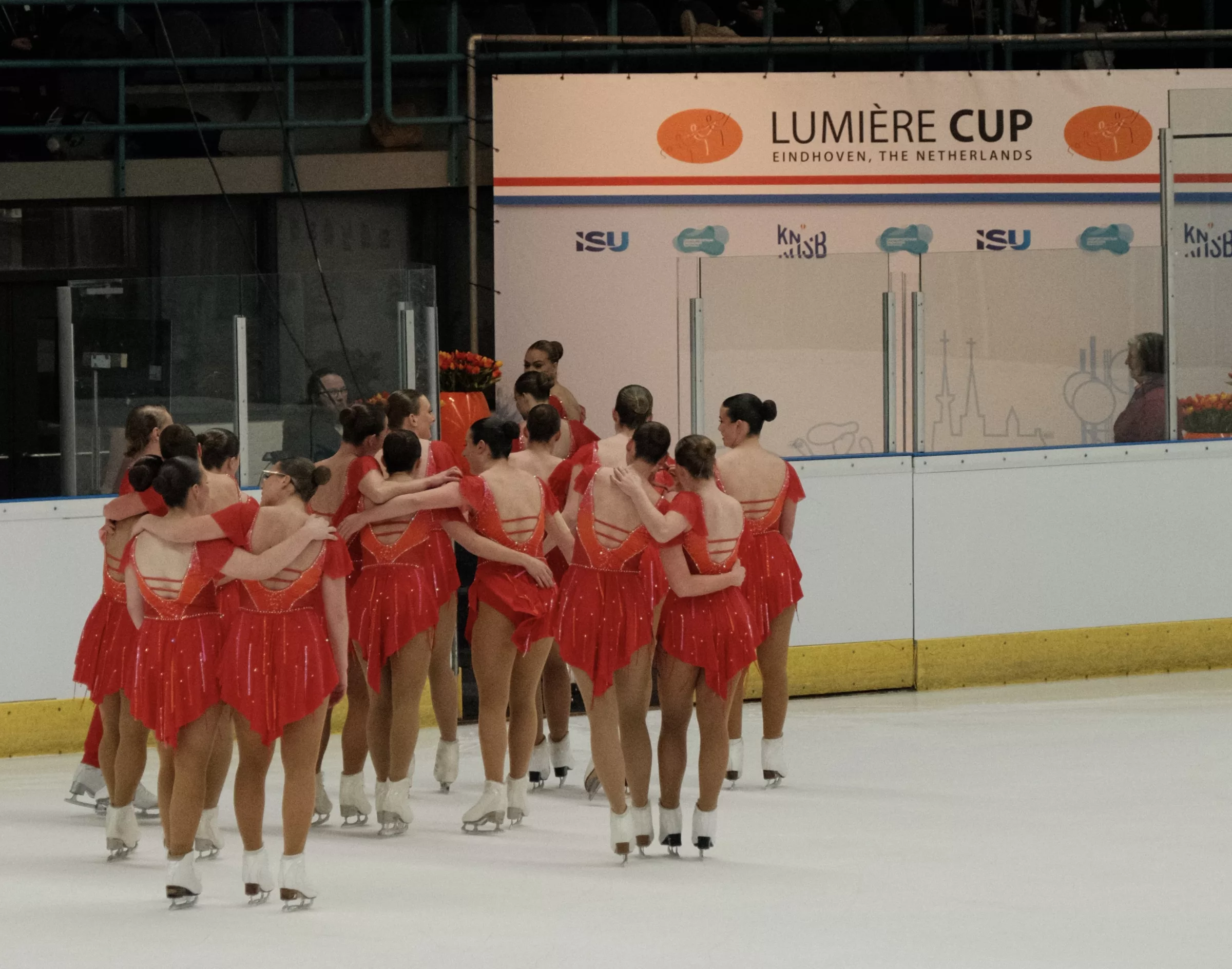
Still, the team opened the season with a personal best in the short program, she says. Then came the extremes. Van Kempen describes "truly high peaks and very deep lows." At French Cup and Lumière Cup, the team delivered "excellent performances and scores." At Britannia Cup and Worlds, she says, "in terms of points, a disaster."
Her framing is blunt and familiar to sport: "Sometimes you win, sometimes you lose." But she draws a line between a result and a team's identity. "One bad competition does not define the quality of a team," she says. At a World Championships, she adds, a short program that "goes completely wrong" inevitably drags down the overall outcome.
What she values most is what happened next. "The team kept pushing, put their shoulders back under it, and came back so strongly in the free program," she says. "As a coach, that kind of fight and mental toughness is worth more than any score sheet.
A new Junior B team
One of van Kempen's highlights this season was the launch of a Junior B team. In its first year, she says, the group achieved "promising scores" and showed that the ambition to grow toward Junior ISU level is "realistic."
She describes the athletes as unusually focused. "Their motivation and discipline are remarkable," she says, adding a coach's joke that reveals the tone she tries to set: sometimes she tells them they should "chat a bit more" so she can "be strict" and restore the classic coach–skater balance.
For her, the Junior B project is not a side story. It is the future. "The future looks truly bright for these athletes," she says, pointing to their determination and "fighting spirit.
Van Kempen says Team Ice United's progress this season sits in two places: technical level and program components. Over four years, she sees "a clear upward trend," and this season, she says, the team continued that trajectory. The programs, in her view, have become stronger" : more refined construction and a clearer identity on the ice."
She calls herself "an absolute synchro geek and choreographer," and describes a process that is part artistry, part analysis. She spends weeks studying elements and programs "from across the history of synchronized skating," looking at what works technically, how judging panels respond, and what engages an audience.
Her comparison is striking: she says that, compared with the research she did for her master's thesis in criminal law, her deep dives into scoring data and rule interpretation are "on a different level." For her, it has become "a strategic game": how to improve, collect more points, and move up.
Since 2019, she says, the organisation has worked with a five-year plan that has evolved into a ten-year vision. "Many people think I am crazy when they hear where I believe Dutch synchronized skating, and Ice United as an organisation, can go in the future," she says. "But that only motivates me more to turn the 'impossible' into reality.
What she wants people to see on the ice
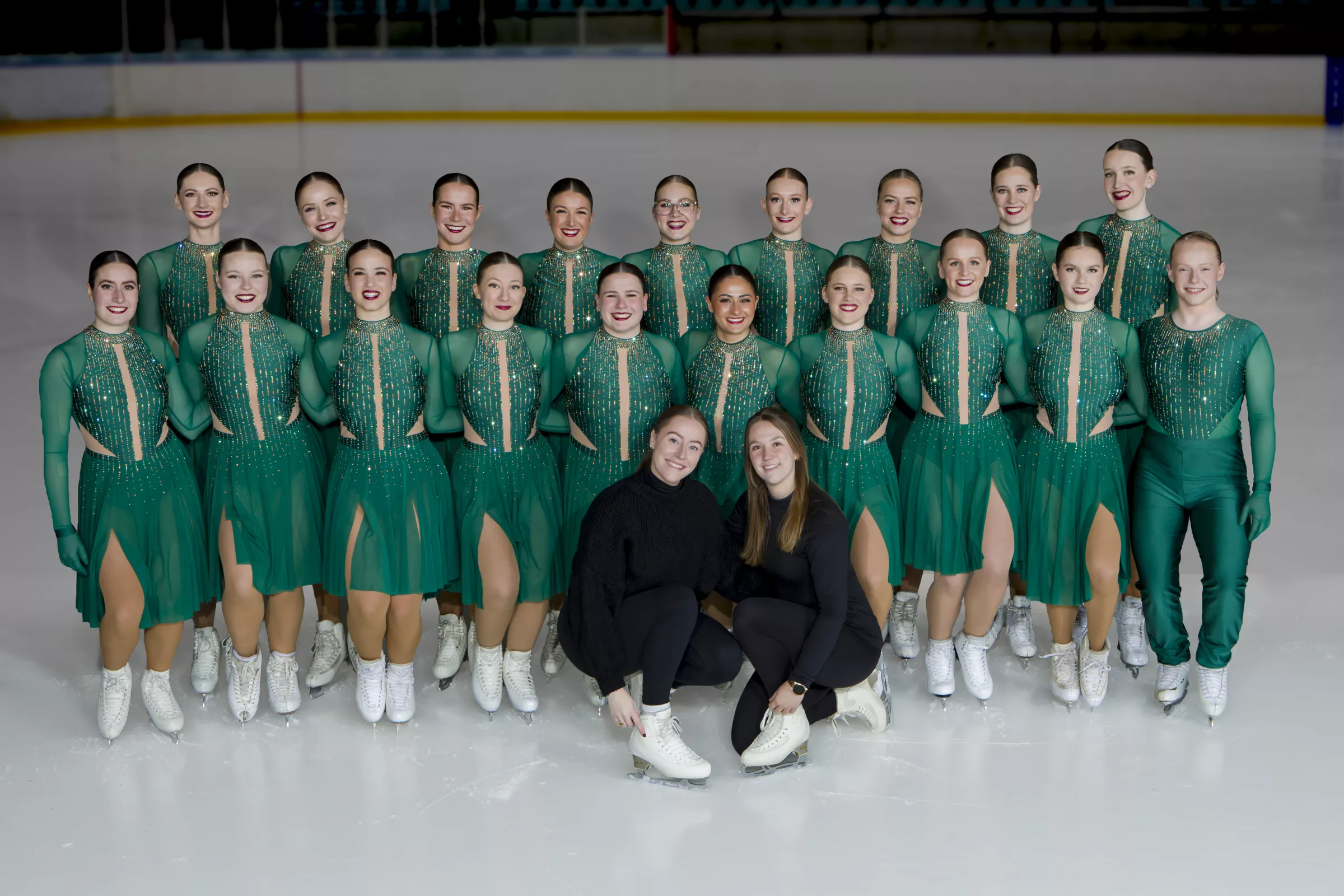
Van Kempen's ideal Team Ice United is "professional, unified and clearly recognisable," technically and artistically. She also cares about what happens beyond the rink. The way the team presents itself at sports-related events matters, she says: "Every appearance is part of the business card we leave behind as a team and as a organisation."
But she insists that culture should be visible too. Inside the club, she says, they are "skating-crazy," yet built on "strong team bonds." She describes a warm environment where people feel "safe, heard and included." Clear agreements and codes of conduct support that approach.
In daily work, she says, skaters treat each other as teammates first, and boundaries between skaters and coaches are respected. "Coaches are there to coach and to make decisions in the best interest of the whole team, not the individual," she says. The result, in her view, is a group that is both respectful and genuinely close: many athletes stay with the senior team for "6–10 years." She adds that "nobody moved to another teams," which she sees as a sign of trust and connection. They "truly believe in the 'Ice United dream'.
Behind the vision sits also a practical constraint: a shortage of ice time. Van Kempen says balancing technical structure, team development and creativity starts with making "every minute on the ice count." Planning is detailed: each session scheduled "down to the minute," with day-, week- and month-plans shared off-ice so skaters stay involved and motivated.
The coaching staff meets weekly to evaluate progress and adjust priorities. Within that structure, she tries to protect space for creativity, even if it is limited. She grew up with a "solid dance background," and bringing dance into the work (musicality, movement quality, detailed execution) is a "passion project."
For now, she says, most ice time must go into technical work and consistency. Long term, she wants to integrate more choreographic and artistic work into the regular training structure, especially if ice availability improves.
Summer priorities and next season
Over the summer, van Kempen says the priority is to continue progress in skating skills built over the past three years. Then comes the creative build: the new short program in May and the new free program in July. Alongside choreography, she wants time invested in fundamentals, timing, spacing and unison, and in getting to know each other as a group.
This year, she says, there is "a little more room to experiment" with fresh ideas and movement styles. Some of those experiments may return in next season's programs
Looking ahead, she says the new team is "fully formed" and "hungry to improve." One early objective: involve skaters more actively in the creative process, giving them space to contribute ideas for movement and for showcasing individual strengths within the team. The goal, she says, is not only new choreography but ownership, helping athletes shape the team's identity on the ice.
Van Kempen describes synchronized skating in the Netherlands as "still small, but full of potential." She notes that only a few clubs actively offer synchro, "far too limited for a country with such a strong skating tradition."
She says United Synchro is in "constructive dialogue with the federation" to stimulate development and create more opportunities. Inside her own club, the structure is being strengthened by adding junior and juvenile teams to create a clearer pathway from the youngest levels to senior.
Once that internal structure is firmly in place, she says, the aim is to take knowledge and experience out into the country and inspire more clubs to start synchronized skating. "We truly believe it is the most beautiful sport in the world," she says, and she wants Ice United to play an active role in building a broader Dutch synchro community.